
Call us now :07313726424
 Send Inquiry
 Send Inquiry
Babbitt White Metal Bearing
Price 10000 INR/ Piece
MOQ : 10 Pieces
Babbitt White Metal Bearing Specification
- Precision Rating
- P6
- Thickness
- 15 mm
- Lubrication Type
- Oil Lubrication
- Retainer
- No
- Inside Diameter
- 50 mm
- Bearing Type
- Journal Bearing
- Material
- Babbitt White Metal
- Structure
- Split
- Seals Type
- Open
- Number Of Rows
- Single Row
- Bore Size
- 50 mm
- Outside Diameter
- 80 mm
- Limiting Speed
- 1200 rpm
- Load Capacity
- High
- Finish Type
- Machined
- Density
- 7.3 g/cm³
- Hardness
- HB 30-40
- Corrosion Resistance
- Yes
- Mounting Type
- Sleeve Mounted
- Application
- Heavy machinery, turbines, rolling mills, compressors
- Conformance Standards
- IS and ASTM standards
- Operating Temperature
- Up to 150°C
Babbitt White Metal Bearing Trade Information
- Minimum Order Quantity
- 10 Pieces
- Supply Ability
- 1 Piece Per Day
- Delivery Time
- 2-3 Days
- Certifications
- ISO 9001:2015 SEPC
About Babbitt White Metal Bearing
Babbitt White Metal Bearing
RA Power Solutions with over four decades of experience is forefront in technology of design, development, manufacture and repair of white metal Babbitt bearings.
The manufacturing of new bearing and repair of old white metal Babbitt bearings is done for the customers from all sectors of industries and applications like electric motor, fan, pump, marine, diesel engine, turbine, alternator, rolling mill etc.
RA Power Solutions engineering department develops a drawing of the damaged or worn out bearing based on the dimensions which can be drawn from the old worn out or damaged bearings provided by the client. The dimensions which are not clear due to damage and old worn out bearings are incorporated in drawing based on our experience of four decades in design and development of bearing. We develop and manufacture the white metal Babbitt bearing based on the old bearing with 100% guarantee.
Outstanding Performance Under Extreme Loads
Tailored for heavy-duty sectors, our Babbitt White Metal Bearings are ideal for environments demanding reliability-such as turbines, rolling mills, and compressors. High load capacity and excellent wear resistance ensure extended service life and reduced downtime.
Precision-Engineered Construction
Adhering to IS and ASTM standards, the bearing's split structure, machined surface, and P6 precision rating guarantee exceptional alignment and smooth operation. The open seal design and oil lubrication allow easy integration with existing maintenance routines.
Corrosion-Resistant Babbitt Alloy
The high-density Babbitt white metal composition (7.3 g/cm3) is specifically chosen for its excellent anti-corrosive traits, offering peace of mind even in harsh industrial settings. This ensures reliability under both thermal and mechanical stresses.
FAQ's of Babbitt White Metal Bearing:
Q: How is the Babbitt White Metal Bearing installed in industrial equipment?
A: The bearing is sleeve mounted, making installation straightforward. Thanks to its split structure, it can be easily fitted onto shafts without the need for complex disassembly of adjoining components, minimizing equipment downtime.Q: What makes this bearing suitable for heavy machinery and turbines?
A: Its robust construction, high load capacity, and resistance to both wear and corrosion make it ideal for heavy-duty applications. The oil lubrication allows it to run smoothly at operating temperatures up to 150C, meeting the rigorous demands of turbines, rolling mills, and compressors.Q: When should a Babbitt White Metal Bearing be selected over other bearing types?
A: Choose this bearing when applications require high precision, significant load support, and exceptional durability in corrosive or high-temperature environments. It's particularly advantageous where oil lubrication is available and operating speeds don't exceed 1200 rpm.Q: Where are Babbitt White Metal Bearings commonly used?
A: They are widely utilized in industrial applications across India and globally, especially in sectors like power generation, steel rolling mills, heavy compressors, and other large rotating equipment.Q: What is the manufacturing process for your Babbitt White Metal Bearings?
A: We use a precision-controlled casting and machining process that ensures uniform hardness (HB 30-40) and an accurate machined finish. Each bearing complies with IS and ASTM standards, providing lasting performance and reliability.Q: How does oil lubrication benefit this bearing's performance?
A: Oil lubrication reduces friction, dissipates heat, and prolongs the life of the bearing by minimizing surface wear. This is essential for maintaining dependable operation in heavy-duty and high-speed applications.Q: What are the benefits of choosing a split-structure, single-row journal bearing?
A: A split-structure bearing eases installation and maintenance, while the single-row configuration ensures high load distribution and efficient operation in critical machinery. This design supports rapid servicing, reducing operational interruptions.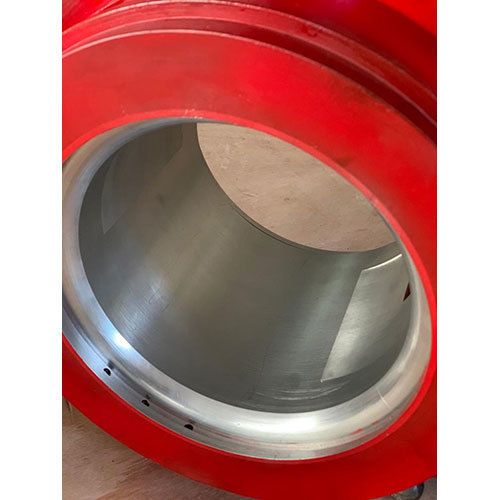
Tell us about your requirement

Price:
Quantity
Select Unit
- 50
- 100
- 200
- 250
- 500
- 1000+
Additional detail
Mobile number
Email

More Products in White Metal Bearing Category
White Metal Engine bearing
Price 60000 INR / Piece
Minimum Order Quantity : 1 Piece
Outside Diameter : 72 mm
Precision Rating : ISO Grade 7
Material : Other, White Metal (Babbitt Alloy)
Lubrication Type : Other, Oil Lubrication
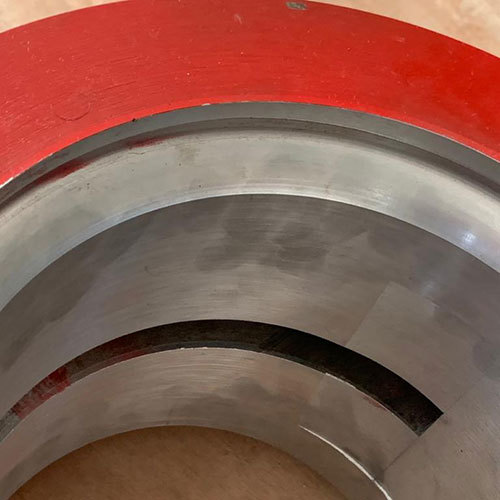
White Metal Bearings
Price 10000 INR / Piece
Minimum Order Quantity : 10 Pieces, Piece
Outside Diameter : Customized as per application
Precision Rating : Industry Standard / Custom tolerances
Material : Other, White Metal (Babbitt Alloy)
Lubrication Type : Other, Oil Lubricated (Hydrodynamic)
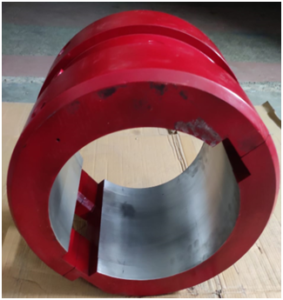
Babbitt White Metal Mearing Repair
Price 10000 INR / Piece
Minimum Order Quantity : 10 Pieces
Outside Diameter : Standard & Customized
Precision Rating : ISO 9001:2015
Material : Other, White Metal/Babbitt Alloy
Lubrication Type : Other, Oil Lubricated
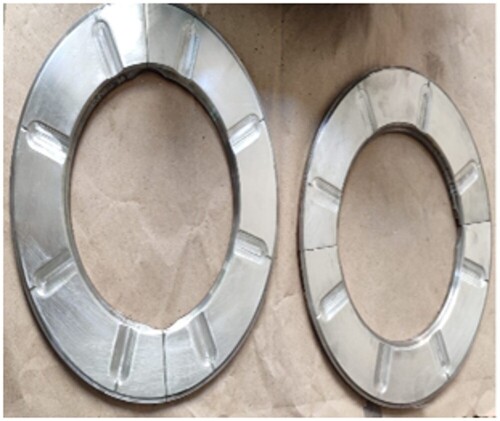
Rebabbitting of White Metal Bearings Manufacturer For 43 Years
Price 16000 USD ($) / Number
Minimum Order Quantity : 1 Number
Outside Diameter : Upto 1500 mm or as specified
Precision Rating : Up to ISO or DIN Standard
Material : Other, HighGrade White Metal (Babbitt) Alloy
Lubrication Type : Other, Oil or Grease

 Send Inquiry


Our Products

Corporate Office : 411, 4th Floor, Unitech Arcadia, South City II, Gurugram - 122018, Haryana, India
Catalog Brochure 
Works and Training Centre
Plot No. 235, Sector-7, IMT Manesar, Gurgaon-122050 (India)
Research and Design Centre
425, 4th Floor, Vipul Business Park, Sector-48, Sohna Road Gurgaon-122018 (India)
Exports and International Division
523, 5th Floor, Tower-B4, Spaze I-Tech Park, Sohna Road Gurgaon-122018 (India)

Mr RA Power
(Managing Director)
Mobile :07313726424
 Send Inquiry
 Send SMS
 Call Me Free
Developed and Managed by Infocom Network Private Limited.
