
Call us now :07313726424
 Send Inquiry
 Send Inquiry
Babbitt Bearing
Price 10000 INR/ Piece
MOQ : 10 Pieces, Piece
Babbitt Bearing Specification
- Precision Rating
- General Grade
- Retainer
- Solid
- Lubrication Type
- Oil Lubricated
- Thickness
- Varies as per dimension
- Inside Diameter
- Customizable as per requirement
- Bearing Type
- Babbitt Bearing
- Material
- Babbitt Metal (Lead or Tin Based Alloy)
- Structure
- Solid Housing
- Seals Type
- No Seals (Open)
- Number Of Rows
- Single Row
- Bore Size
- Customizable as per requirement
- Outside Diameter
- Customizable as per requirement
- Limiting Speed
- Moderate to Low
- Load Capacity
- Heavy Duty
- Finish
- Machined and Polished
- Application
- Heavy machinery, pumps, turbines, engines, compressors
- Installation
- Interference Fit or Shrink Fit
- Operating Temperature Range
- -20C to 150C
- Product Form
- Half Shells or Full Shells as per requirement
- Feature
- Excellent Conformability and Embeddability
- Corrosion Resistance
- Good
Babbitt Bearing Trade Information
- Minimum Order Quantity
- 10 Pieces, Piece
- Supply Ability
- 1 Piece Per Day
- Delivery Time
- 2-3 Days
- Certifications
- ISO 9001:2015 SEPC
About Babbitt Bearing
White Metal Bearing
Manufacturing of White Metal Babbitt Bearings is undertaken for all applications for over 40 years. The development and manufacturing of White Metal Babbitt Bearing as per the customer drawing or as per the sample has been the core of the business all these years. We have developed successfully hundreds of White Metal Babbitt Bearings as per a drawing or a sample.
Inspection procedure followed at the time of rebabbitting of old white metal bearings.
- White metal from the old bearing is removed in a controlled temperature.
- Metallurgical test of existing Babbitt white metal is undertaken.
- The steel shell of the old white metal Babbitt bearing is shot blasted.
- Surface hardness is checked for presence of any hardspots.
- Crack detection by MPI and dye-penetrant test is done.
- After Rebabbitting process, above inspection procedure is repeated.
- Ultrasound of white metal Babbitt bearing after repairs is of great importance to check the bonding.
Versatile Solution for Heavy Machinery
Babbitt bearings are widely used across heavy machinery, including engines, turbines, compressors, and pumps. Their adaptability suits varied industrial environments, with options for both half and full shell designs, ensuring compatibility with different housing setups. The solid construction and customizable dimensions make them ideal for high-stress and heavy-duty operations.
Superior Performance and Durability
Machined and polished to exacting standards, Babbitt bearings deliver excellent conformability and embeddability, which help maintain smooth operation under demanding conditions. These bearings resist corrosion and accommodate both interference and shrink fit installation methods, providing long-lasting reliability with moderate to low-speed capacities.
FAQs of Babbitt Bearing:
Q: How are Babbitt bearings installed in heavy machinery?
A: Babbitt bearings are typically installed using interference fit or shrink fit methods. These installation processes ensure the bearings are securely seated within the housing, optimizing load distribution and alignment in engines, pumps, turbines, and compressors.Q: What types of equipment commonly use Babbitt bearings?
A: Babbitt bearings are employed in heavy-duty equipment such as industrial engines, turbines, compressors, and pumps. Their robust design and high load capacity make them suitable for demanding applications in these sectors.Q: When should I choose a Babbitt bearing with a half shell or full shell design?
A: The selection between half shell and full shell Babbitt bearings depends on the machines housing configuration and maintenance requirements. Full shells provide comprehensive support, while half shells offer easier installation and replacement in certain applications.Q: Where are Babbitt bearings typically manufactured and supplied?
A: Babbitt bearings are manufactured and exported by reputable suppliers, manufacturers, and service providers in India, serving global markets for industrial machinery and equipment components.Q: What benefits do Babbitt bearings offer in terms of operational performance?
A: Babbitt bearings provide excellent conformability and embeddability, good corrosion resistance, and are designed to handle heavy loads. They help machine components run smoothly, reducing wear and accommodating minor misalignments.Q: How does the lubrication process work for Babbitt bearings?
A: Babbitt bearings are oil lubricated, which helps reduce friction and extend bearing life. Regular maintenance ensures the lubrication remains effective, contributing to the overall performance and reliability of the machinery.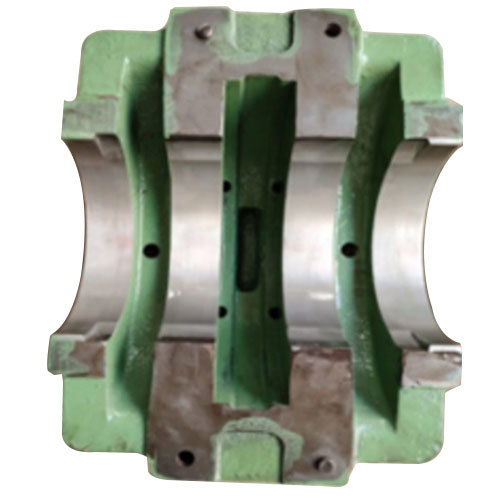
Tell us about your requirement

Price:
Quantity
Select Unit
- 50
- 100
- 200
- 250
- 500
- 1000+
Additional detail
Mobile number
Email

More Products in White Metal Bearing Category
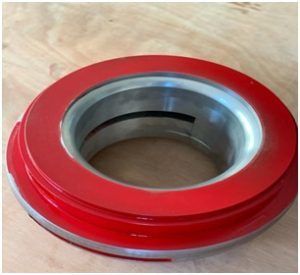
White Metal Engine bearing
Price 60000 INR / Piece
Minimum Order Quantity : 1 Piece
Outside Diameter : 72 mm
Precision Rating : ISO Grade 7
Bearing Type : Other, White Metal Engine Bearing
Bore Size : 50 mm
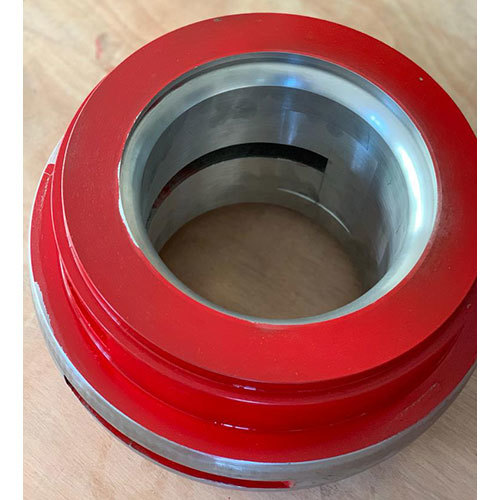
White Metal Babbitt Bearing
Price 10000 INR / Piece
Minimum Order Quantity : 10 Pieces, Piece
Outside Diameter : Customized
Precision Rating : ISO Standards
Bearing Type : Other, White Metal Babbitt Bearing
Bore Size : Customized as per Requirement
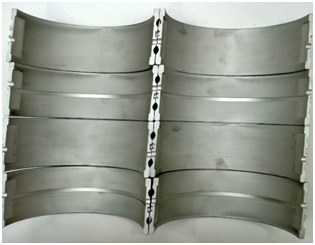
Tri Metal Bearing
Price 15000 INR / Number
Minimum Order Quantity : 10
Outside Diameter : 52 mm
Precision Rating : P5
Bearing Type : Other, Plain Bearing
Bore Size : 30 mm
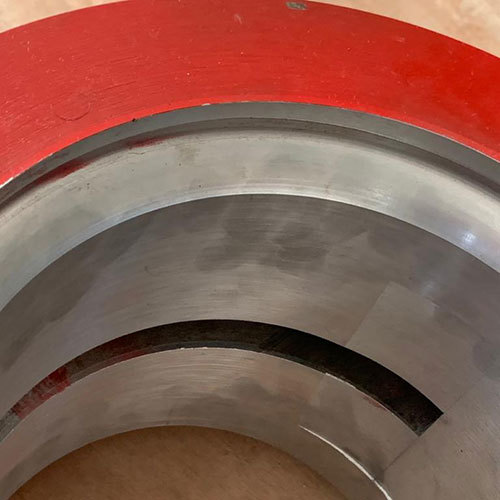
White Metal Bearings
Price 10000 INR / Piece
Minimum Order Quantity : 10 Pieces, Piece
Outside Diameter : Customized as per application
Precision Rating : Industry Standard / Custom tolerances
Bearing Type : Other, White Metal Journal Bearing
Bore Size : Custom as per design

 Send Inquiry


Our Products

Corporate Office : 411, 4th Floor, Unitech Arcadia, South City II, Gurugram - 122018, Haryana, India
Catalog Brochure 
Works and Training Centre
Plot No. 235, Sector-7, IMT Manesar, Gurgaon-122050 (India)
Research and Design Centre
425, 4th Floor, Vipul Business Park, Sector-48, Sohna Road Gurgaon-122018 (India)
Exports and International Division
523, 5th Floor, Tower-B4, Spaze I-Tech Park, Sohna Road Gurgaon-122018 (India)

Mr RA Power
(Managing Director)
Mobile :07313726424
 Send Inquiry
 Send SMS
 Call Me Free
Developed and Managed by Infocom Network Private Limited.
