Call us now :07313726424
 Send Inquiry
 Send Inquiry
In situ Machining of Sulzer Z 40/48
Price 1600 INR/ Square Inch
MOQ : 1 Square Inch
In situ Machining of Sulzer Z 40/48 Specification
- Accuracy
- Up to 0.01 mm tolerance
- Documentation Provided
- Full service and measurement report after job completion
- Downtime Reduction
- Minimal due to in-place machining
- Power Supply
- 3 Phase, 415 V, 50 Hz
- Safety Compliance
- Meets industry safety protocols
- Finish Achieved
- Surface Roughness up to Ra 1.6 µm
- On-site Capability
- Yes
- Machine Used
- Portable Line Boring Machine
- Material Compatibility
- Cast Iron, Steel
- Component Worked On
- Engine Block/Bed Plate
- Application
- In situ Machining of Sulzer Z 40/48
- Skilled Manpower Required
- Yes, certified in-situ machining technicians
- Service Location
- Global on-location service possible
- Suitable For
- Marine, Power Plant Applications
- Image Reference
- https://cpimg.tistatic.com/8423875/s/4/In-situ-Machining-of-Sulzer-Z-4048.jpg
- Custom Tooling Capability
- Available for non-standard jobs
- Quality Assurance
- International standards; NDT and dimensional inspection provided
- Repair of Wear and Ovality
- Yes, restoration to OEM specs
- Type
- On-site Machining
- Equipment Portability
- Portable and modular design
- Max Length of Boring
- Up to 6000 mm
- Operation Performed
- Line Boring and Surface Facing
- Boring Diameter Range
- 40 mm to 800 mm
In situ Machining of Sulzer Z 40/48 Trade Information
- Minimum Order Quantity
- 1 Square Inch
- Supply Ability
- 1 Square Inch Per Day
- Delivery Time
- 2-3 Days
In situ Machining of Sulzer Z 40/48 About
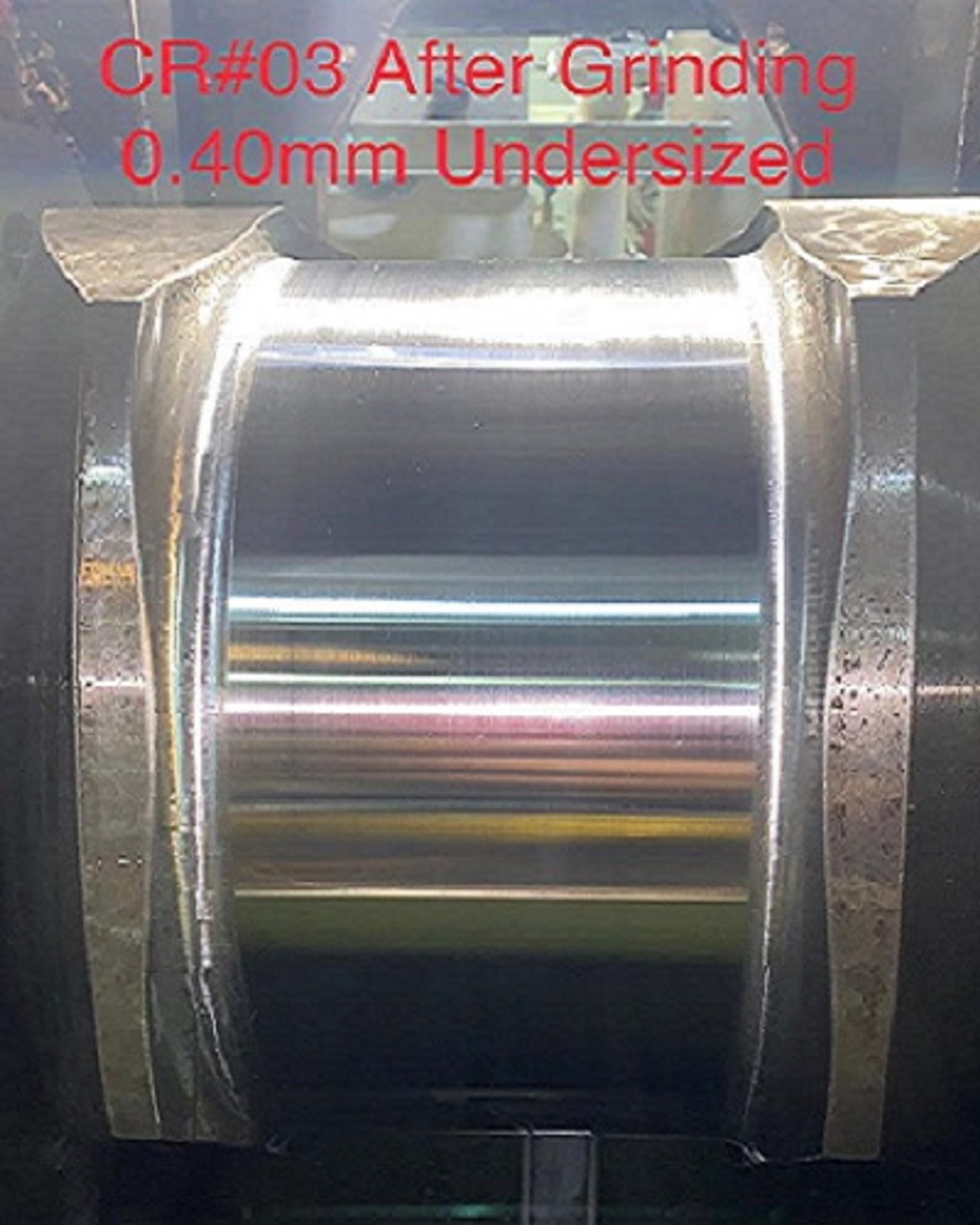
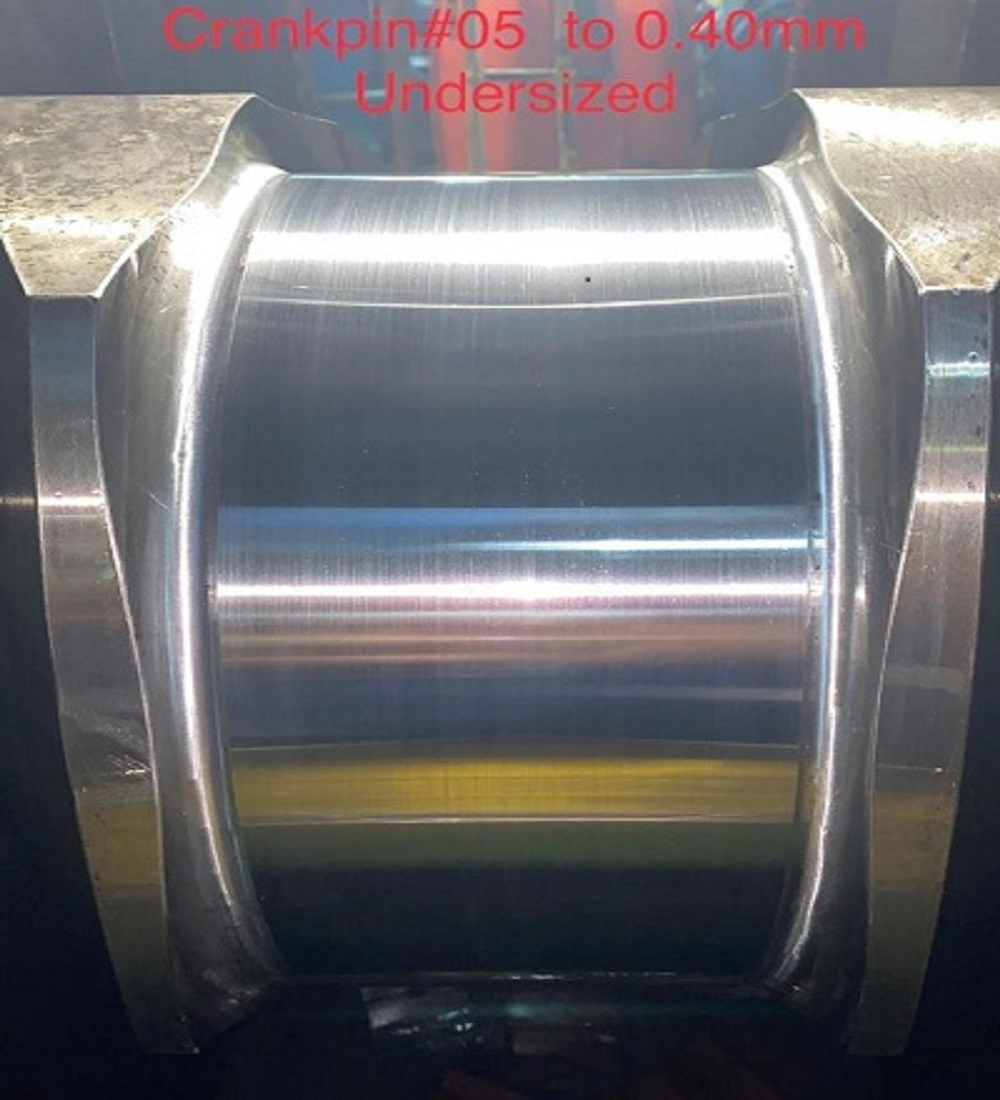
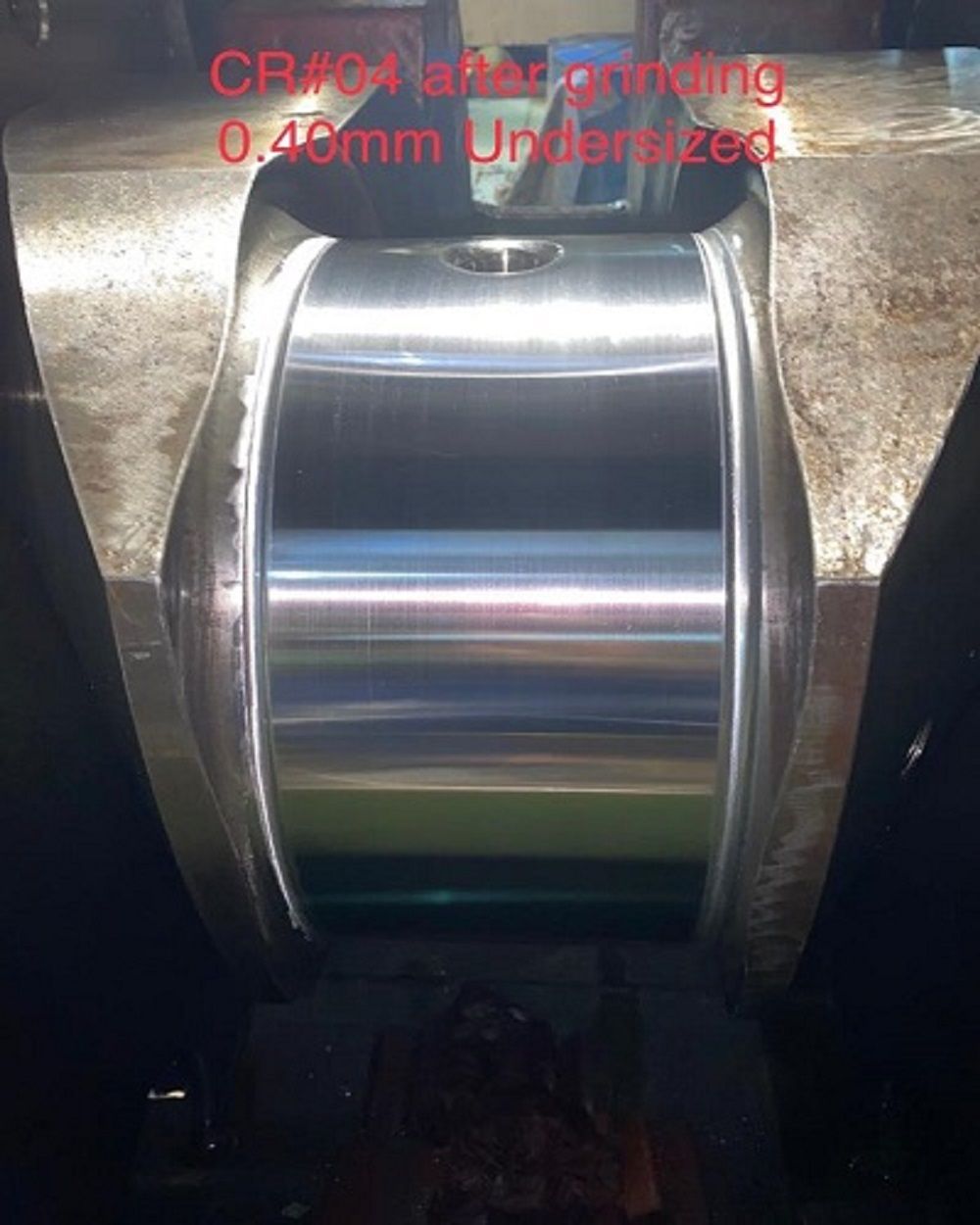
A governor failure on a Sulzer main engine Sulzer Z 40/48 on a cargo ship caused substantial damage to the crankshaft and damaged crankpins.
The crankshaft was successfully repaired by RA Power Solutions' qualified experts within the manual's tolerance guidelines, and they subsequently reinstalled the crankshaft to the load's maximum rated capacity.
Crankshaft repair services are offered globally by RA Power Solutions, an ISO 9001:2015 (Quality Management System) and ISO 14001:2015 (Environmental Management System) certified recognized organization. Within 24 hours of receiving the initial information, we can transport our technicians' team and their tools anywhere in the world.
We have been regularly executing on-site crankshaft repairs and crankshaft grinding in Dubai, Oman, Saudi Arabia, Qatar, Abu Dhabi, Sharjah, Ajman, Umm Al-Quwain, and Fujairah, Bahrain, Kuwait, Iraq, Antigua and Barbuda, Belize, Dominica, Dominican Republic, Grenada, Guyana, Haiti, Jamaica, Saint Kitts and Nevis, Saint Lucia, Saint Vincent and the Grenadines, Trinidad, and Tobago, etc.
Comprehensive On-site Machining Solutions
Our in-situ machining service for Sulzer Z 40/48 offers efficient line boring and surface facing directly at your facility, reducing downtime and logistical challenges. The modular, portable equipment allows work on engine blocks and bed plates across a range of diameters and lengths. Certified technicians ensure operations meet international standards, restoring precision with minimal disruption to your schedule.
Assured Quality and Documentation
Every project is executed under stringent quality protocols, including NDT and precise dimensional checks to safeguard your assets. Post-service, clients receive comprehensive measurement and service reports. With accuracy up to 0.01 mm and finishes as fine as Ra 1.6 m, the service reliably restores critical components to OEM specifications.
Flexibility for Global and Non-Standard Jobs
Our team deploys worldwide, bringing in-situ machining capability to marine vessels, power plants, and other demanding environments. Custom tooling is available to address unique applications, supporting repairs to a wide array of components and materials such as steel and cast iron. Safety compliance and skilled manpower guarantee optimal results every time.
FAQ's of In situ Machining of Sulzer Z 40/48:
Q: How is in-situ machining of the Sulzer Z 40/48 performed on-site?
A: In-situ machining is executed using portable, modular line boring equipment that is set up directly on the engine block or bed plate. Certified technicians conduct the operations, ensuring precision boring and facing without disassembling large components from their installed positions.Q: What components and materials can be worked on during the in-situ service?
A: The service targets engine blocks and bed plates of the Sulzer Z 40/48, and is compatible with materials such as cast iron and steel. Custom tooling is available for special applications involving non-standard components or geometries.Q: When is in-situ machining recommended for Sulzer Z 40/48 engines?
A: In-situ machining is particularly advised when there is wear, ovality, or dimensional deviation in the engine block or bed plate bore, as it allows OEM-spec restoration efficiently, minimizing equipment downtime and operational interruptions.Q: Where can the in-situ machining service be provided?
A: The service is globally deployable. Technicians can travel to marine vessels, power plants, or other locations worldwide, bringing all necessary equipment for on-site restoration work.Q: What quality assurance measures are in place during the machining process?
A: Work is conducted to international standards, incorporating non-destructive testing (NDT) and dimensional inspections. Each job concludes with full documentation, including service and measurement reports, to confirm compliance and traceability.Q: What benefits does in-situ machining offer compared to traditional workshop repairs?
A: In-situ machining eliminates the need to dismantle and transport large components, significantly reducing downtime, transportation costs, and logistical complexity. It enables rapid restoration and improves equipment availability, especially important in critical marine and power plant operations.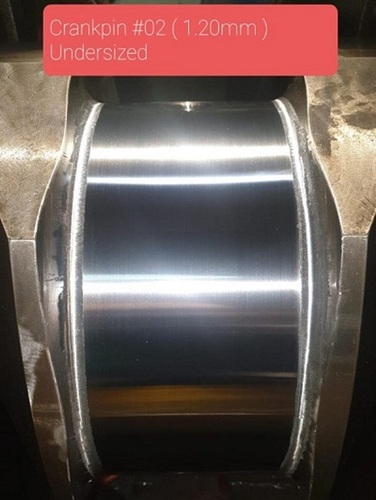
Tell us about your requirement

Price:
Quantity
Select Unit
- 50
- 100
- 200
- 250
- 500
- 1000+
Additional detail
Mobile number
Email

More Products in Crankshaft Repair Category
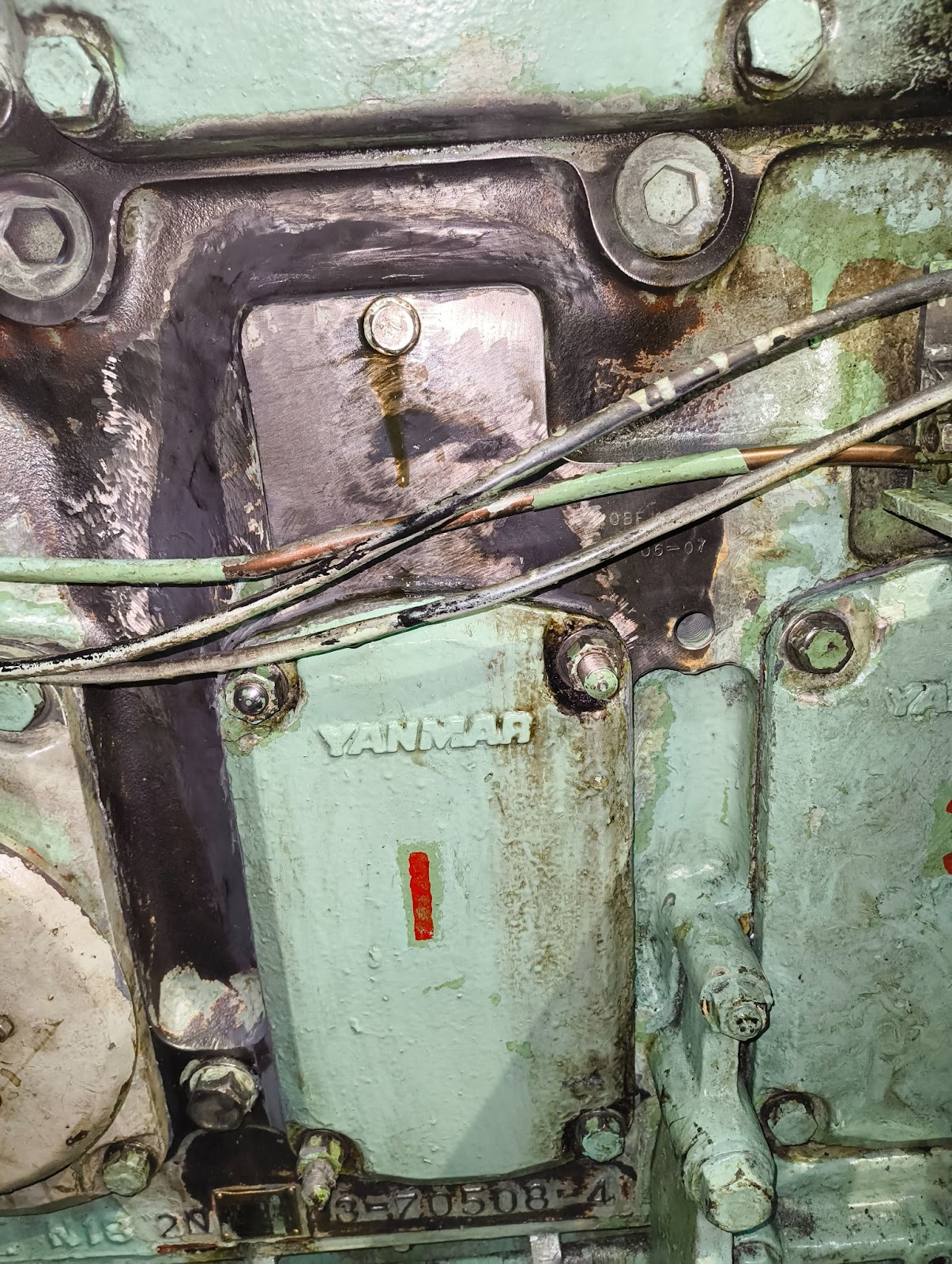
YANMAR 6N18L-SV Auxiliary Engine Crankshaft
Price 1000.0 INR / Square Inch
Minimum Order Quantity : 1 Square Inch
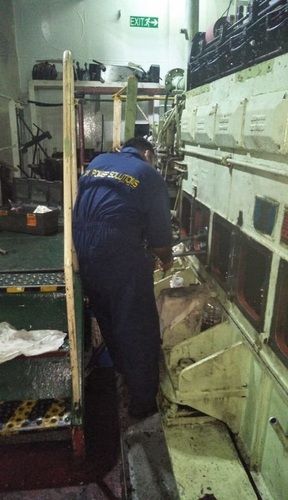
Onsite Crankshaft Repair by Ra Power
Price 13000 INR / Number
Minimum Order Quantity : 1 Square Inch
Yanmar Diesel Generator Model no. 8N280L-EV Crankshaft Repair
Price 1500 INR / Square Inch
Minimum Order Quantity : 1 Square Inch

Crankpin Repair of Deutz MWM TBG632V16 by RA power Solutions
Price 1500 INR / Square Inch
Minimum Order Quantity : 1 Square Inch

 Send Inquiry


Our Products

Corporate Office : 411, 4th Floor, Unitech Arcadia, South City II, Gurugram - 122018, Haryana, India
Catalog Brochure 
Works and Training Centre
Plot No. 235, Sector-7, IMT Manesar, Gurgaon-122050 (India)
Research and Design Centre
425, 4th Floor, Vipul Business Park, Sector-48, Sohna Road Gurgaon-122018 (India)
Exports and International Division
523, 5th Floor, Tower-B4, Spaze I-Tech Park, Sohna Road Gurgaon-122018 (India)

Mr RA Power
(Managing Director)
Mobile :07313726424
 Send Inquiry
 Send SMS
Developed and Managed by Infocom Network Private Limited.
